The Role of Licensing in Defining Cryptographic Standards for Real-Time UK Gambling Applications
Freya Franke · Aug 25, 2026
The Role of Licensing in Defining Cryptographic Standards for Real-Time UK Gambling Applications
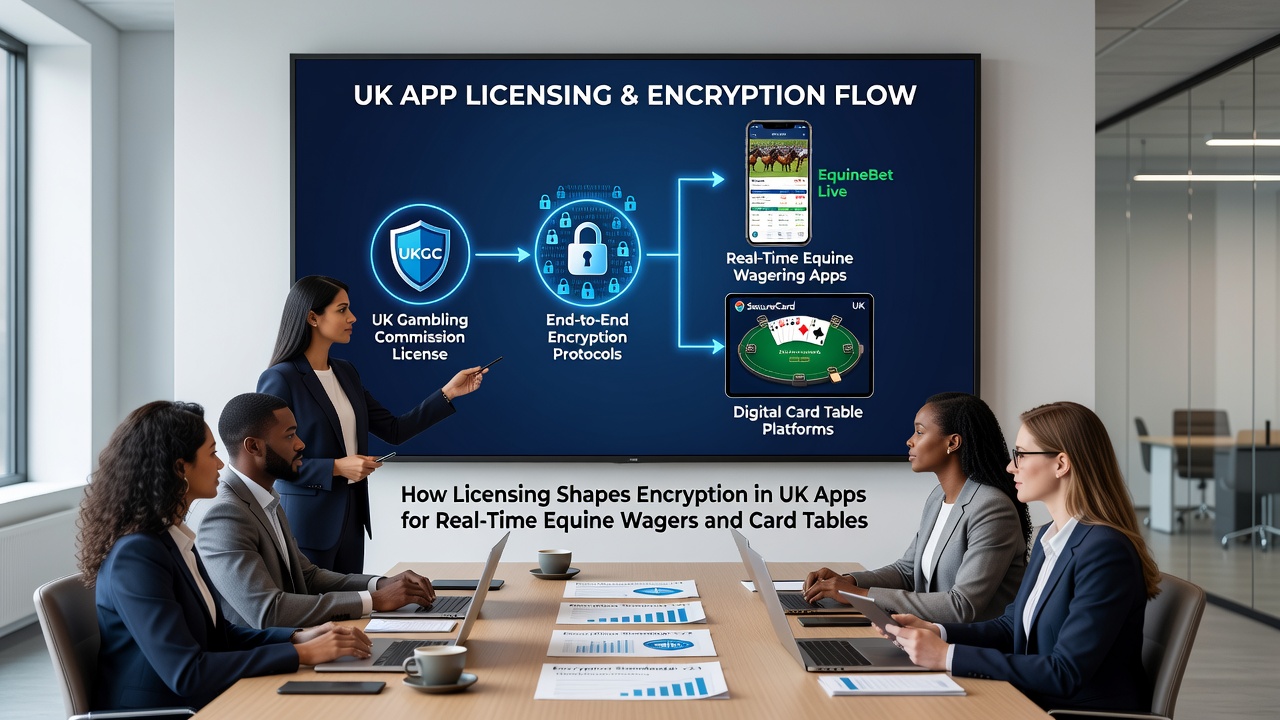
Regulatory licensing establishes the foundational requirements that determine encryption practices across UK applications handling real-time equine wagers and card table operations, and these frameworks require developers to implement specific cryptographic measures before any platform receives approval for public use. Licensing bodies evaluate security protocols during the approval process, which means applications must demonstrate compliance with data protection standards that address both live betting streams and transaction processing in poker environments.
Regulatory Structures Governing Application Development
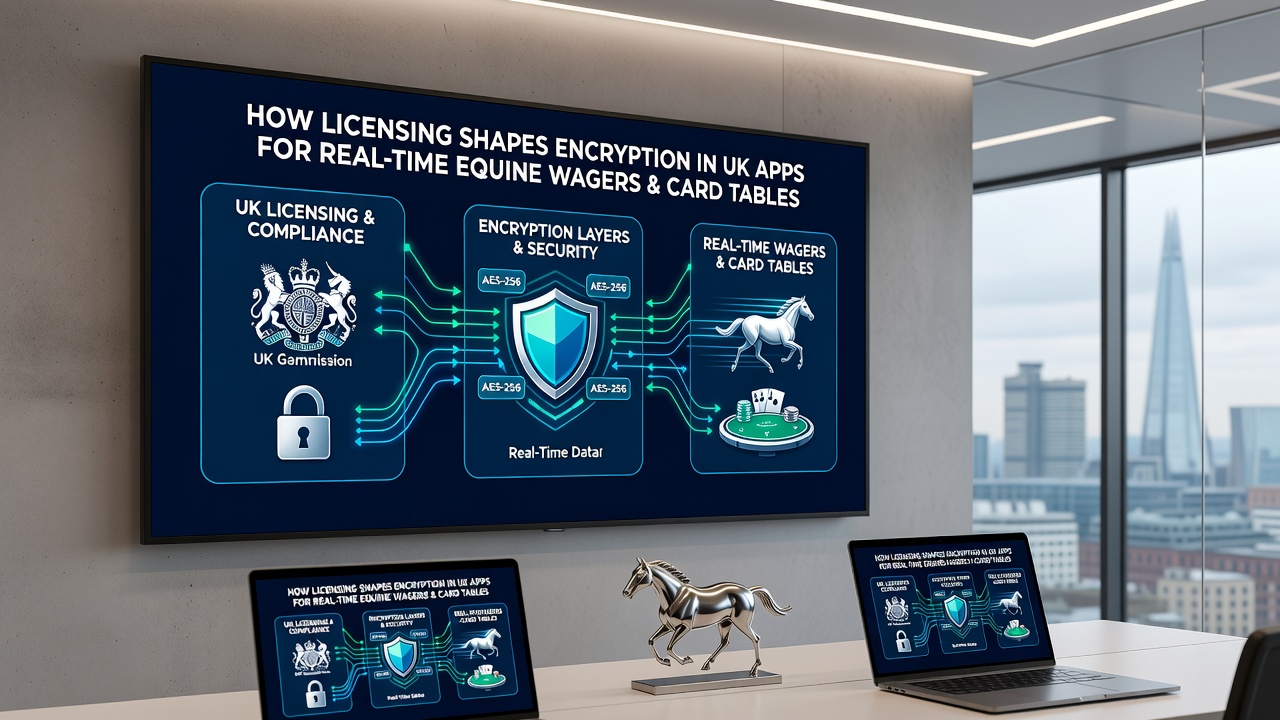
Developers who create platforms for horse racing wagers and card games must navigate multiple layers of licensing that specify technical safeguards, and these rules often reference international encryption benchmarks established by organizations such as the National Institute of Standards and Technology. Research indicates that licensing applications require evidence of AES-256 implementation along with secure key management systems, which ensures that real-time data exchanges between users and servers remain protected during peak activity periods like major racing events or tournament play.
Those who study the sector note that licensing conditions frequently mandate regular audits of encryption implementations, and this process includes verification that session keys rotate properly to prevent interception in environments where bets update every few seconds. Observers note that applications serving both equine markets and card tables face additional scrutiny because they process two distinct data types simultaneously, each with its own latency and integrity demands.
Encryption Demands for Live Data Streams
Real-time equine wagers generate continuous data flows that include odds updates, stake placements, and payout calculations, while card table applications require end-to-end protection for player actions and community card reveals. Licensing conditions therefore stipulate that encryption must operate without introducing delays that exceed acceptable thresholds, and developers achieve this balance through hardware-accelerated cryptographic modules that integrate directly with server infrastructure.
Data shows that platforms must also incorporate perfect forward secrecy protocols, which protect past communications even if current keys become compromised at a later date. Experts have observed that such measures become particularly relevant during high-volume periods, when thousands of simultaneous connections occur across both betting verticals.
August 2026 Developments and Industry Adjustments
Industry reports from mid-2026 highlight that several licensing authorities introduced updated technical annexes requiring quantum-resistant algorithm testing by August of that year, and applications handling UK users had to demonstrate migration paths toward post-quantum cryptography. These changes affected both horse racing platforms and poker operators because real-time systems rely on long-lived session data that future computing advances could potentially expose.
Those who've examined compliance timelines note that developers began incorporating hybrid encryption schemes combining classical and quantum-resistant methods well before the August deadline, and this proactive approach allowed platforms to maintain service continuity while meeting new licensing criteria. Research from academic institutions in Canada and Australia further indicates that similar regulatory patterns emerged across multiple jurisdictions, creating a harmonized expectation for encryption upgrades.
Practical Implementation Across Betting Categories
One study revealed that licensed applications often employ distinct encryption zones for different functions, with equine wager processing using one set of keys and card table operations using another to limit the blast radius of any potential breach. This segmentation approach satisfies licensing auditors who examine how data isolation works during simultaneous use of both features within a single user session.
What's significant is that licensing also extends to third-party software components, which means payment gateways and live streaming services integrated into these applications must meet equivalent cryptographic standards. Figures from industry associations show that non-compliant integrations have led to delayed approvals, forcing teams to replace vendors or enhance their security offerings before launch.
Conclusion
Licensing continues to serve as the primary mechanism that shapes encryption practices in UK applications designed for real-time equine wagers and card tables, and the evolving requirements reflect both technological advances and emerging threats. Developers who align their cryptographic strategies with current licensing expectations gain the ability to operate legally while maintaining user trust through demonstrable security measures. As regulatory frameworks incorporate new benchmarks around August 2026 and beyond, applications in this sector will continue adapting their encryption architectures to remain compliant and functional.