Shifting Dynamics of Player Retention Tactics in British Digital Wagering Ecosystems for Live Events and Equine Contests
Finley Vogel · Sep 1, 2026
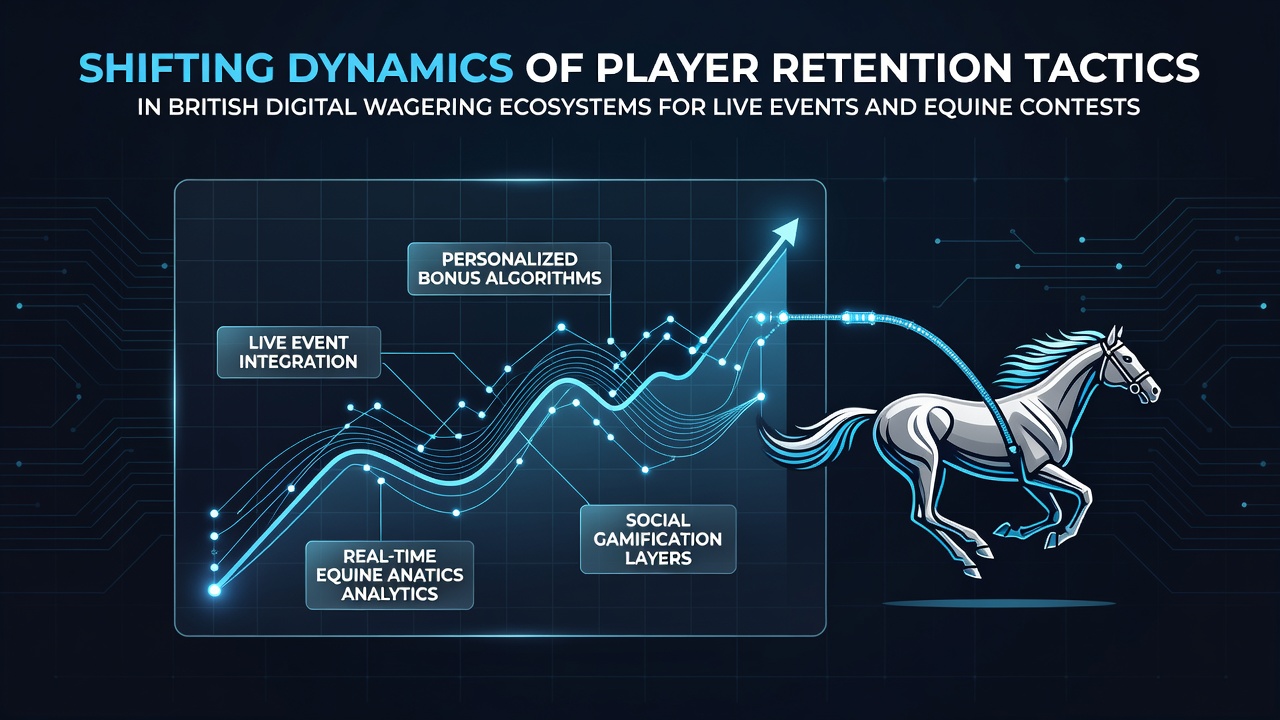
Shifting Dynamics of Player Retention Tactics in British Digital Wagering Ecosystems for Live Events and Equine Contests
British digital wagering platforms have adjusted their player retention approaches over recent years, focusing on live events and equine contests as key growth areas, while data from industry reports shows increased emphasis on personalized engagement tools that combine real-time updates with loyalty structures.
Market Context and Retention Evolution
Observers note that operators in the UK have shifted from broad promotional campaigns toward targeted retention systems that track user behavior during live matches and horse races, and according to figures from the European Gaming and Betting Association these tactics now integrate predictive analytics to anticipate when participants might reduce activity.
Retention metrics have become central because competition among apps has intensified, yet studies from academic institutions reveal that simple bonus offers alone no longer sustain long-term engagement, so platforms combine them with features like instant notifications for equine race starts and dynamic odds adjustments during live events.
Technological Integration in Retention Strategies
Researchers have documented how machine learning models analyze betting patterns in real time, allowing systems to deliver customized incentives such as free bets on specific live football moments or enhanced payouts for horse racing accumulators, and this approach connects directly to user location data and previous session durations.
Platforms also incorporate responsible gaming elements into retention frameworks, including voluntary spending caps that appear during high-activity periods, because evidence from multiple European studies indicates these measures can reduce churn rates when presented alongside performance insights and historical statistics.
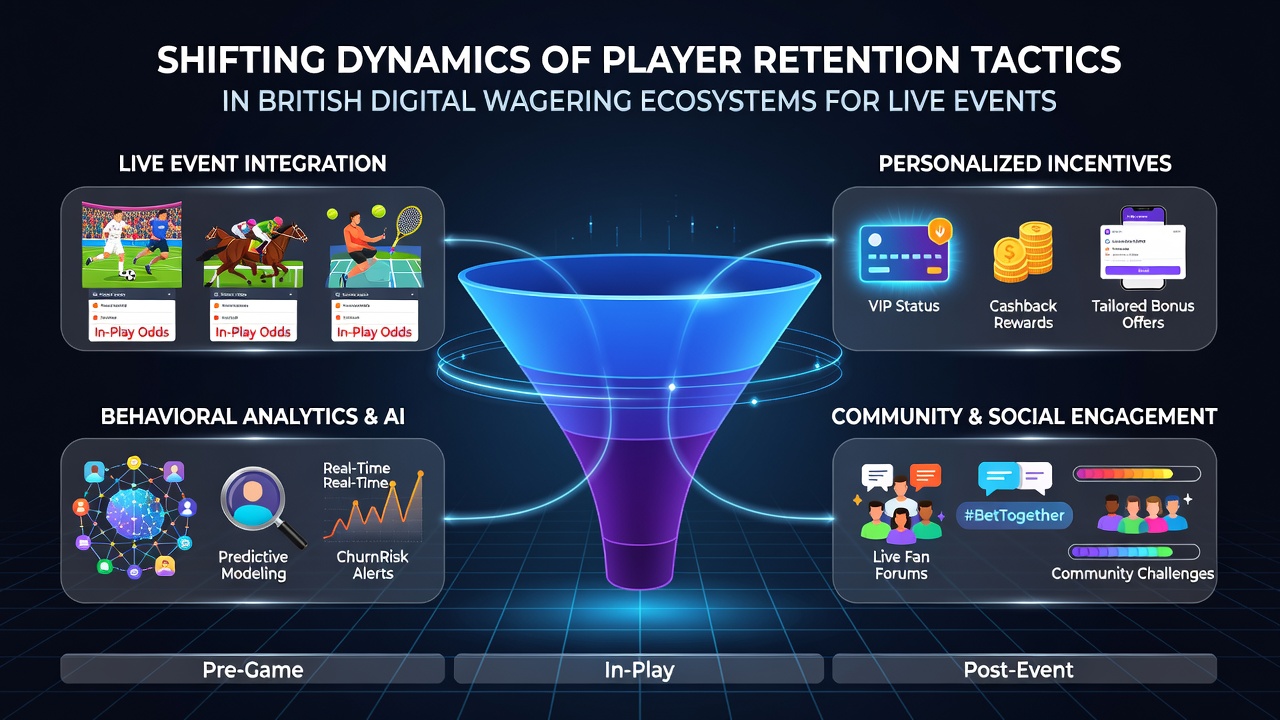
September 2026 Developments and Projections
Industry projections indicate that by September 2026 several operators will roll out enhanced cross-platform loyalty programs that link live event betting with equine contest rewards, allowing accumulated points from one category to unlock benefits in the other, while data from Australian research bodies shows similar models have improved retention by measurable percentages in comparable markets.
These upcoming features will likely rely on API integrations that pull live data feeds from sports leagues and racecourses, creating seamless experiences where users receive tailored content without leaving the application interface.
Case Examples from the Sector
Take one operator that introduced segmented email campaigns based on equine racing preferences, resulting in higher re-engagement rates among users who had previously focused on live tennis, and another platform applied similar segmentation to football viewers by offering equine contest previews that matched their betting history.
Those who've examined these implementations report that combining live event push notifications with equine contest leaderboards creates sustained interest, particularly when users can compare their performance against regional averages without additional cost.
Regulatory Influences and Data Sources
Regulatory frameworks outside the UK, such as those monitored by the Responsible Gambling Council in Canada, have influenced how British platforms embed transparency features into retention tools, ensuring that personalized offers include clear probability information.
Additional insights come from Australian gambling research centers, where longitudinal data demonstrates that retention improves when operators provide both entertainment value and educational content about odds calculations during live sessions.
Future Trajectories in Equine and Live Event Betting
Analysts expect continued refinement of retention tactics through virtual reality previews of horse races and augmented overlays during live events, although implementation timelines depend on hardware adoption rates across user bases.
These developments will require ongoing adjustments because user preferences shift quickly when new competitors enter the market with alternative incentive models.
Conclusion
The landscape of player retention in British digital wagering for live events and equine contests continues to evolve through integrated technology, segmented communications, and cross-category loyalty structures, with data indicating measurable impacts from these combined approaches by the middle of the decade.